14 July 2026 · 11 min read · By Shoam Elbaz, licensed drone operator
Cyprus Drone Laws (2026): The Complete Guide for Businesses and Visitors
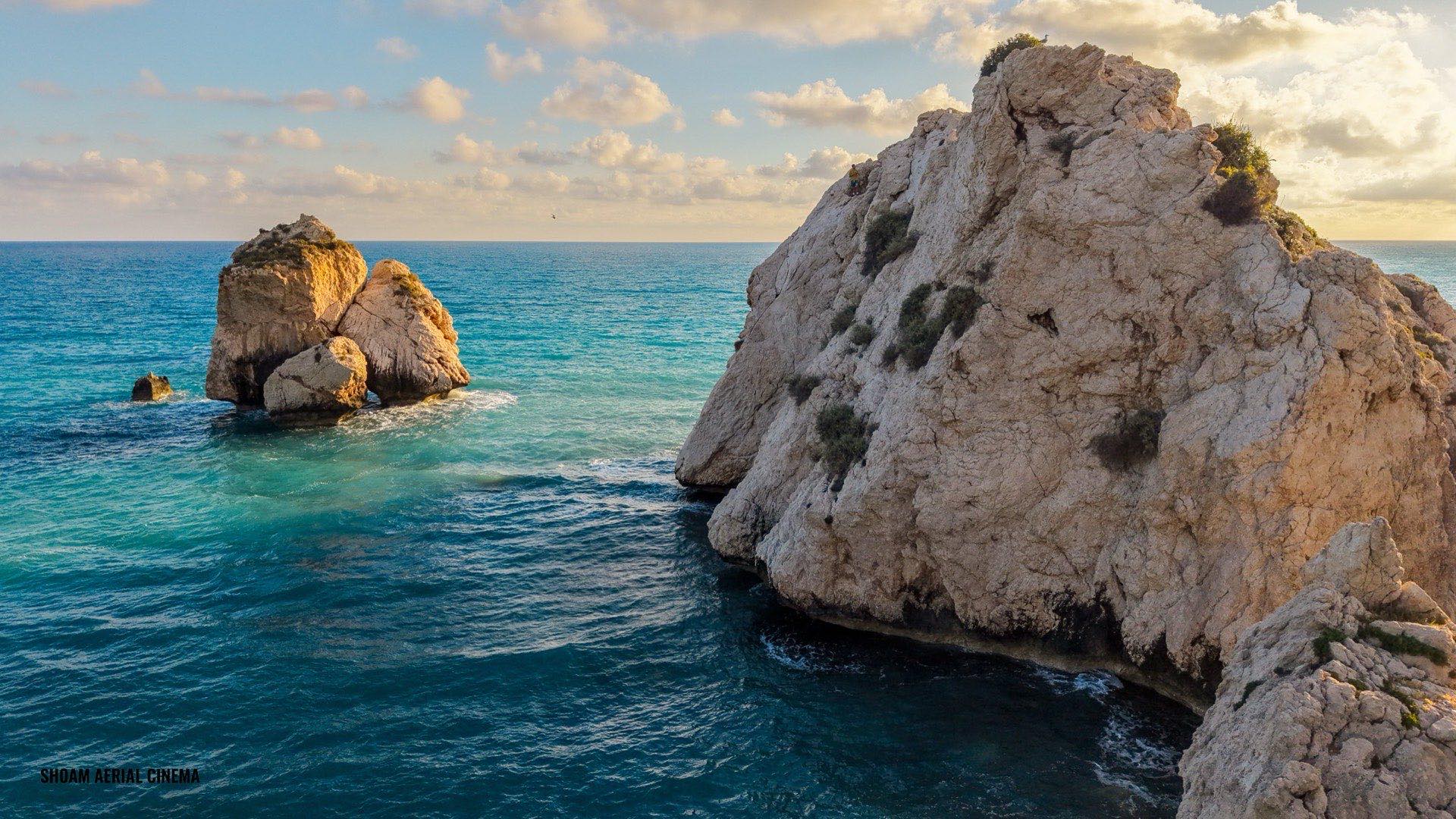
Cyprus is one of the most rewarding places in Europe to fly a drone — and one of the easier places to break aviation law without realising it. Two international airports, British Sovereign Base Areas, a UN buffer zone, military installations and protected nature reserves all carve up the island's airspace in ways a tourist with a new drone rarely expects. This guide explains how drone flying in Cyprus actually works in 2026, whether you're a visitor with a sub-250-gram camera drone or a business commissioning aerial work.
A note on scope: this guide covers the Republic of Cyprus, where EU (EASA) drone regulations apply, and reflects the rules as commonly applied at the time of writing. Regulations evolve and individual cases differ — for anything commercial or borderline, confirm with the Cyprus Department of Civil Aviation (DCA) or work with a licensed operator who confirms it for you.
The Short Version
Cyprus follows the EU-wide EASA drone framework. Most consumer and professional drone flying falls in the 'Open' category, which requires operator registration, keeping the drone within visual line of sight, staying under 120 metres above ground, and never flying over crowds. Where you can fly is restricted around airports, military areas, the buffer zone and certain protected sites. Commercial work is legal and common — but clients should verify their operator is registered, certified and insured, because liability lands on whoever commissioned the flight too.
EASA Categories: Open, Specific, Certified
The EU framework sorts all drone operations into three categories by risk. The 'Open' category covers low-risk flying — this is where holiday footage, property shoots and most commercial photography live. No authorisation is needed per flight, but strict standing rules apply.
The 'Specific' category covers higher-risk operations: flying beyond visual line of sight, above 120 metres, over assemblies of people, or with heavier aircraft in built-up areas. These need an operational authorisation from the DCA based on a risk assessment. Professional operators use this category for work the Open rules can't accommodate.
The 'Certified' category — passenger drones, dangerous-goods transport — works like manned aviation and doesn't concern photographers or marketers.
Open Category Subcategories: A1, A2, A3
Within the Open category, what you may overfly depends on the drone's weight class and your certificate. A1 covers the lightest drones: sub-250-gram aircraft like a DJI Mini may overfly individual uninvolved people (never crowds) and require only completing the basic online training if camera-equipped. This is why the 249-gram class is so popular with travellers.
A2 covers mid-weight drones (up to 2kg under transitional rules, C2-class aircraft going forward) operating closer to people — down to 30 metres horizontally, or less in low-speed mode — and requires an additional theory certificate beyond the basic exam. Most professional camera drones operate here when working near occupied properties.
A3 is the catch-all for heavier drones and untrained pilots: fly only in areas where you reasonably expect no uninvolved people, at least 150 metres from residential, commercial, industrial or recreational areas. A new pilot with a 1.5-kilogram drone and no A2 certificate is legally confined to genuinely empty countryside.
Registration: Who Must Register and How
If your drone weighs 250 grams or more, or carries a camera (which is essentially every drone worth flying), you must register as a drone operator. EU residents register once in their home EASA state and the registration is valid across the EU, including Cyprus — your operator ID must be displayed on the aircraft. Non-EU visitors — including the many UK tourists Cyprus receives — must register in the first EASA country they fly in; if that's Cyprus, registration is handled through the Department of Civil Aviation's online system before the first flight.
Registration is for the operator (the person or company responsible), not each aircraft. The basic online training and exam for A1/A3 flying is also completed online and is straightforward for anyone who reads the material.
The Universal Flight Rules
Wherever you fly in Cyprus, Open-category rules apply: maximum 120 metres above ground level; visual line of sight at all times (a spotter may extend this, FPV goggles alone may not); no flying over assemblies of people; no dropping anything; respect for privacy — Cyprus applies GDPR, and filming identifiable people or private property without cause can create legal exposure entirely separate from aviation law; and no night flying without appropriate lighting and, for some operations, authorisation.
Where You Cannot Fly in Cyprus
This is where Cyprus differs most from a generic EASA summary. The island's geography packs an unusual amount of restricted airspace into a small area:
Airports. Larnaca and Paphos international airports each project control zones covering substantial parts of their surrounding regions — including parts of Larnaca city and the southeast Paphos district. Flights inside these zones are prohibited or need specific permission. This catches more visitors than any other rule: much of Larnaca's coast sits within the zone.
The British Sovereign Base Areas. Akrotiri (west of Limassol) and Dhekelia (east of Larnaca) are UK-administered military territory with their own airspace rules — drone flying there is essentially prohibited without specific clearance. Akrotiri's boundaries reach closer to popular Limassol locations than most people realise.
The buffer zone and the north. Flying in or across the UN buffer zone is prohibited, and the Republic's aviation authorities have no jurisdiction in the occupied north — flying near the Green Line in Nicosia demands particular care.
Military installations, national forest parks (Cape Greco and Akamas have protections that affect drone use), archaeological sites, and prisons or other sensitive infrastructure round out the list. When in doubt, check the DCA's published UAS geographical zones before flying.
Flying Commercially: What Businesses Should Verify
Since EASA harmonisation, there's no separate 'commercial licence' — the same category rules apply whether footage is for holiday memories or a hotel campaign. What changes is accountability: a hotel or developer commissioning aerial work shares reputational and legal exposure if the operator flies illegally over their guests.
Before hiring any drone operator in Cyprus, verify three things: a valid EASA operator registration number (displayed on the aircraft), the A2 certificate or Specific-category authorisation their work plausibly requires (filming an occupied hotel from 20 metres is not an A3 operation), and liability insurance covering drone operations — venues and event clients should ask for the certificate, not the claim.
Insurance deserves emphasis: EU regulation requires insurance for operators of drones above 20kg, but Cyprus practice and every serious client contract expect liability cover for commercial work at any weight. Professional operators carry it as a matter of course.
Penalties
Enforcement in Cyprus is real, particularly around airports and military areas. Violations can bring confiscation of equipment, administrative fines that scale with severity, and criminal exposure for serious airspace breaches. The predictable pattern: tourists lose drones and holiday days over airport-zone violations that a five-minute map check would have avoided.
Practical Advice for Visitors
Bring a sub-250-gram drone if you can — the A1 rules are far more forgiving for travel photography. Register before you fly, check the DCA's geographical zones for every location (assume Larnaca's coast and anywhere near Akrotiri is restricted until proven otherwise), keep away from beaches crowded with people, and remember that hotel pools full of guests are assemblies of people, not photo opportunities.
Practical Advice for Businesses
If aerial content is worth commissioning, it's worth commissioning legally: the operator's registration, certification and insurance are your protection. A licensed operator also brings what the rules alone don't — knowledge of which locations are actually flyable, what permissions are grantable and how long they take, and how to plan a shoot around airspace instead of discovering it on the day. That local knowledge is much of what you're paying for; our location guides share some of it openly.
Frequently Asked Questions
Thinking about content for your property?
Request a Tailored Quote